This post contains affiliate links. If you buy through them, I may earn a small commission at no extra cost to you. As an Amazon Associate I earn from qualifying purchases.
Building a baby medicine cabinet does not require a huge kit. A few practical tools for nail care, stuffy noses, temperature checks, and skin care cover the basics. Here is what I would have ready, what can wait, and what to discuss with your pediatrician.
Baby medicine cabinet checklist
- Have ready: a digital thermometer, baby nail file, plain saline, one nasal aspirator, and a fragrance-free diaper barrier cream.
- Optional: a baby care kit, a few pacifiers, and a cool-mist humidifier if your home needs one.
- Buy later: a toothbrush when the first tooth arrives, baby clippers, and a comb or brush as needed.
- Ask your pediatrician: medicines, dosing supplies, probiotics, and any other supplements.
Baby Nail Files

Our pediatrician recommended we file the nails (instead of using clippers) in the early days, so I recommend having several little baby nail emery boards. Baby clippers can come later, once you feel comfortable using them.
Probiotics
Our pediatrician recommended a probiotic for our family, but that does not make it a must-have for every baby. I would leave probiotics off the general registry checklist and ask your pediatrician whether your baby needs one, which product to use, and how much to give.
Saline & Nasal Aspirators
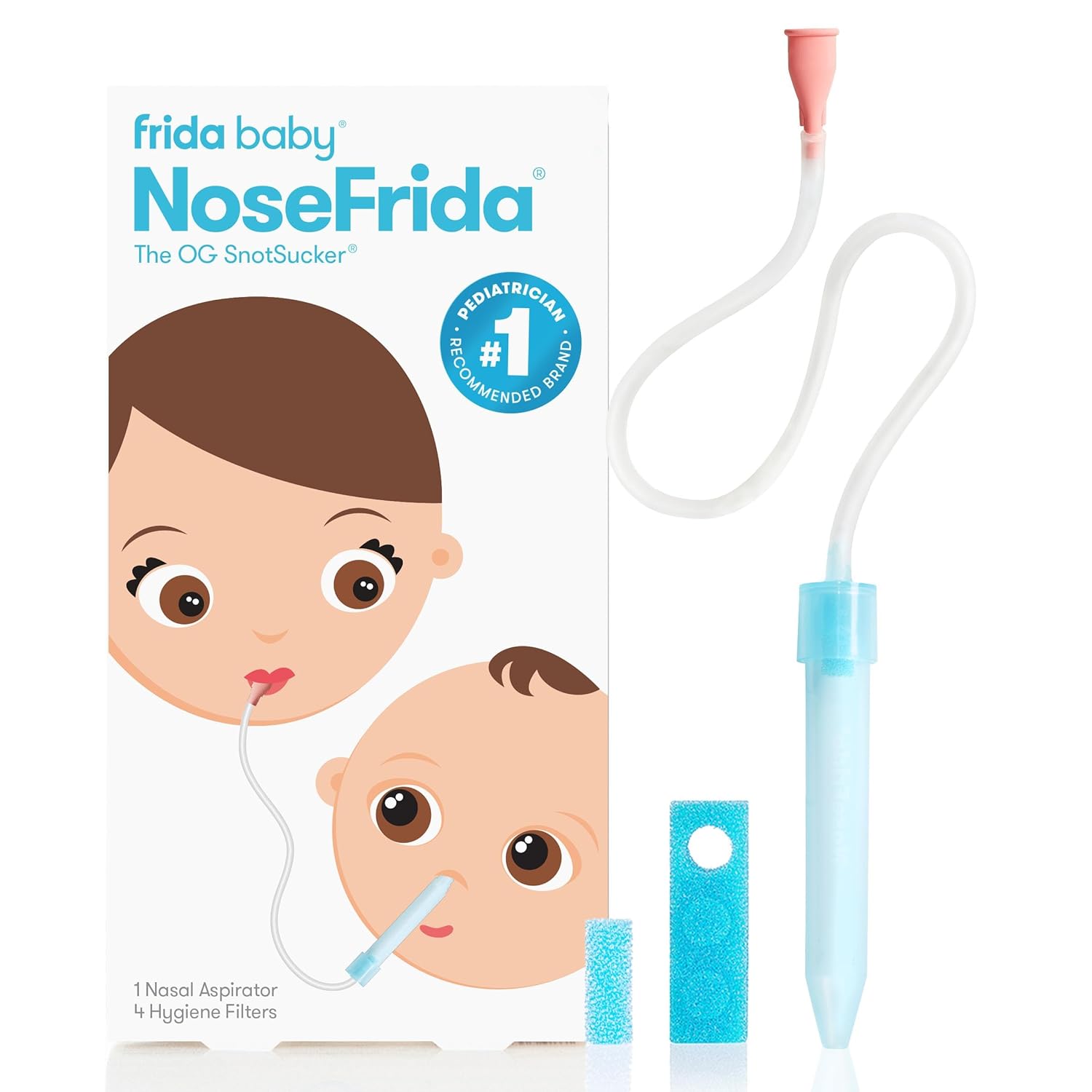
Plain saline drops and one easy-to-clean nasal aspirator are enough to start. Use gentle suction when congestion interferes with feeding or comfort, and follow the product instructions. More suction is not always better; frequent or forceful use can irritate a little nose.
My experience: I liked having saline mist on hand early, and we often reached for the simple hospital bulb. They’ll probably give you one at the hospital. Bring it home with you and ask for an extra. Every time you use it, thoroughly clean it out with hot water and soap. A manual aspirator such as NoseFrida is another option; choose whichever you can use and clean comfortably.
What to consider: Look for plain, unmedicated saline and an aspirator that comes apart for cleaning. Clean and dry the parts after use as directed.


Thermometer
Put a digital thermometer near the top of your list. The American Academy of Pediatrics says a rectal reading is the most reliable for young infants, especially under 3 months. Ask your pediatrician to show you how to use it, and keep a thermometer used rectally labeled and separate.

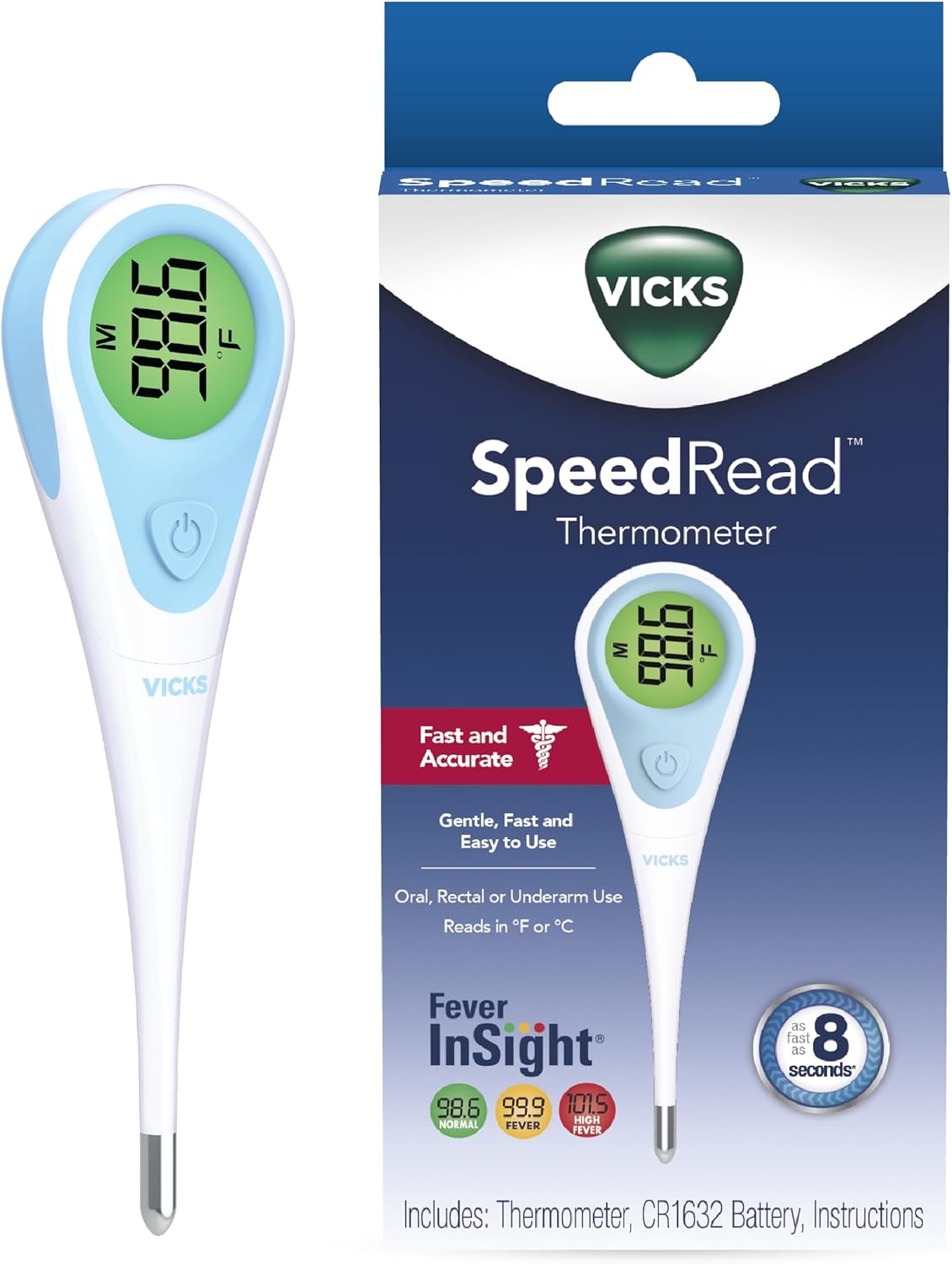

Save the ear thermometer for later: Ear thermometers are intended for babies 6 months and older. A smart app is optional; the right thermometer for your baby’s age and clear instructions matter more.
Important: Call your pediatrician immediately if a baby 3 months or younger has a rectal temperature of 100.4°F (38°C) or higher, even if they otherwise seem well. See the AAP’s fever guidance.
Baby Care Kits
A kit can be convenient, but count the pieces you will actually use. Compare the included thermometer, nail tools, and aspirator with buying those essentials separately; a high piece count does not necessarily mean better value.


Diaper Rash Cream
Start with one fragrance-free barrier cream or ointment rather than several competing products. The AAP recommends zinc oxide or petrolatum as useful barrier ingredients. “Natural” or “clean” wording alone does not tell you whether a product will suit your baby’s skin.
For more help choosing the rest of your changing setup, see my diapering essentials guide. If a rash worsens, does not improve, or comes with fever, blisters, or sores, contact your pediatrician.
Other Skin Care
Keep this simple: one fragrance-free moisturizer or ointment is a sensible starting point. You do not need a separate product for every possible skin concern before your baby arrives.
For eczema, cradle cap, or persistent irritation, ask your pediatrician what to use. Ingredient databases can be a reference, but they do not replace medical advice or establish that a product is safe for every baby. See the AAP’s guidance on diaper creams and irritated skin.
Pacifiers
Babies have opinions about pacifiers! My daughter accepted several styles; my son was much more particular and preferred NUK. I would try a small number of age-appropriate options before buying a drawer full of one brand.
I liked the classic look and color choices of BIBS, but fit and your baby’s preference matter more than appearance. Follow the age range and replacement instructions, and discard a pacifier that shows damage.
The AAP recommends offering a pacifier for naps and bedtime to help reduce SIDS risk. If breastfeeding, wait until breastfeeding is established. Do not force it or put it back after it falls out during sleep. Keep stuffed-animal attachments and clips out of the sleep space. Read the AAP’s safe-sleep recommendations.
Pacifier Clips
A pacifier clip is optional, rather than a registry essential. If you use one, follow its instructions and use it only while your baby is awake and supervised. Remove it before sleep, and never tie a pacifier around a baby’s neck or attach it to the crib.
Humidifier

A cool-mist humidifier may help with comfort when the air is dry or your baby is congested. It is optional, so you can wait until you need it. Choose a model that is easy to clean, change the water daily, and follow the manufacturer’s cleaning instructions. Keep the unit and cord out of reach.
First Toothbrush & Dental Care
This is a use-later category. Once the first tooth appears, brush twice a day with a small, soft-bristled toothbrush and a rice-grain-sized smear of fluoride toothpaste for children under 3. A silicone teether can be fun for supervised chewing, but it does not replace brushing erupted teeth.
Choose an age-appropriate brush that lets you reach every tooth comfortably. You can read more in the American Dental Association’s toothbrush guidance.


Fever Reducer / Pain Reliever
Before your baby arrives, ask your pediatrician which medicine to keep at home and how to measure it with an oral syringe. Get instructions specific to your baby’s weight and the exact product concentration; do not guess a dose or use a kitchen spoon.
For a baby 3 months or younger with a rectal temperature of 100.4°F (38°C) or higher, call immediately before giving fever medicine. Keep medicines in their original packaging, out of children’s reach. This shopping guide reflects my experience as a parent and is not a substitute for your child’s medical care.
Things You Do Not Need (Yet)
A baby comb or brush can wait until you know what your baby needs. Hold off on buying multiple pacifier styles or specialty skin products until you need them.
What to Read Next
Diapering essentials: Build a practical changing setup.
Baby bath essentials: Choose the supplies you will actually use.